
- Home
- Skid Steer
- Adapter Attachments
- Augers and Bits
- Backhoe Attachments
- Blanks and Mounts
- Booms and Material Hoists
- Brooms
- Brush Cutters
- Buckets
- Concrete Dispensers
- Forestry Mulchers
- Grapples
- Harley Rakes
- Hay Equipment Attachments
- Land Planes
- Miscellaneous
- Nursery Forks
- Pallet Forks
- Parts
- Post Drivers
- Rippers
- Snow Removal
- Sod Rollers
- Stump Grinders
- Tillers
- Tracks
- Trash Hoppers
- Tree and Post Pullers
- Trenchers
- Vibratory Rollers
- Mini Skid Steer
- Adapter Attachments 2
- Augers and Bits 2
- Backhoe Attachments 2
- Blades
- Blanks and Mounts 2
- Booms and Material Hoists 2
- Brush Cutters 2
- Buckets 2
- Concrete Dispensers 2
- Grapples 2
- Land Planes 2
- Nursery Forks 2
- Pallet Forks 2
- Parts 2
- Power Rake
- Sod Rollers 2
- Stump Grinders 2
- Tillers 2
- Tilt Attachments 2
- Trailer Receiver Hitches
- Trench Backfillers 2
- Trenchers 2
- Refund and Returns Policy
- Privacy Policy
- Shipping
- About us
- Contact us
- Recend Orders & Deliveries
- Recend Orders & Deliveries
- Excavator
- Mini Skid Steer
- Adapter Attachments 2
- Augers and Bits 2
- Backhoe Attachments 2
- Blades
- Blanks and Mounts 2
- Booms and Material Hoists 2
- Brush Cutters 2
- Buckets 2
- Concrete Dispensers 2
- Grapples 2
- Land Planes 2
- Mini Post Drivers
- Nursery Forks 2
- Pallet Forks 2
- Parts 2
- Power Rake
- Rippers 2
- Sod Rollers 2
- Stump Grinders 2
- Tillers 2
- Tilt Attachments 2
- Trailer Receiver Hitches
- Trench Backfillers 2
- Trenchers 2
- Skid Steer
- Adapter Attachments
- Augers and Bits
- Backhoe Attachments
- Blanks and Mounts
- Booms and Material Hoists
- Brooms
- Brush Cutters
- Buckets
- Concrete Dispensers
- Forestry Mulchers
- Grapples
- Harley Rakes
- Hay Equipment Attachments
- Land Planes
- Miscellaneous
- Nursery Forks
- Pallet Forks
- Parts
- Post Drivers
- Rippers
- Snow Removal
- Sod Rollers
- Stump Grinders
- Tillers
- Tracks
- Trash Hoppers
- Tree and Post Pullers
- Trenchers
- Vibratory Rollers
- Tractor
- Uncategorized
+30 (0) 1234 56789
support@levonllcskidsteerattachment.com
+1 816-812-4648
support@levonllcskidsteerattachment.com
7 Best Grapple Bucket Features for Faster Clearing
7 Best Grapple Bucket Features for Faster Clearing
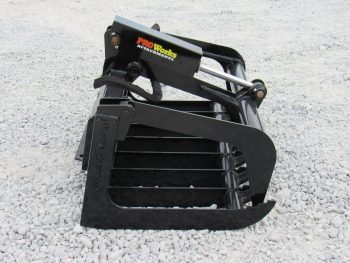
A grapple bucket is the attachment that turns a skid steer into a debris-handling machine. Clamping tines grab, compress, and stack brush, limbs, and demolition rubble in one pass, which is why the grapple bucket is the first purchase for most clearing crews. This guide covers what it does, how to size it, and what to confirm before you buy.
1. What a Grapple Bucket Actually Does
Two hydraulic tines close over the load and pin it against a fixed back frame. That single action replaces the rake-and-chase routine of a plain bucket. Operators clear a fenceline in one direction instead of three, and the load stays put on rough ground.
2. Why It Beats Hand Labor Every Time
One operator with a grapple bucket outworks two with chainsaws and hand stacking, without lifting anything. Chippers feed faster, burn piles build faster, and trucks load in a fraction of the passes. On a real clearing job the attachment usually pays back inside a month.
3. Sizing and Fitment
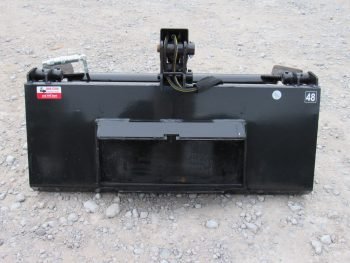
Width should track machine class: 60 to 66 inches on mid-frame units, 72 inches on large frames, 84 only on high-capacity machines. Heavy Duty Solid Bottom Bucket Grapple with Teeth Fits Mini Skid Steer Confirm the quick-attach plate matches your coupler and that tine spacing suits your material — 3 to 4 inches for brush, 6 or more for rock and debris.
4. Flow and Build Quality
Every grapple bucket needs auxiliary hydraulic flow, typically 15 to 25 GPM. Under 15 GPM clamps slowly and slips off brush. Look for welded, re-packable cylinders, guarded hose runs, and a legible rating plate. Tie-rod cylinders and exposed lines leak early and often.
5. Cost and Real Payback
New units run $1,800 to $4,500; used sets run 40 to 60% of that. Two weekends of rental covers a large share of purchase price, so ownership breaks even fast. Resale also stays strong, because demand for these attachments consistently outstrips supply.
6. Safety Basics
Keep the load low and the machine level. Never travel with the tines raised, and never let anyone stand beneath a clamped load. Match load weight to rated operating capacity and keep the combined figure near half your ROC.
7. Maintenance That Protects the Investment
Grease the pivot points every ten hours, inspect hoses for chafe weekly, and check the tine heels for cracks before each shift. Catching a hairline crack early costs a weld; missing one costs a tine, and a tine costs a week.
Frequently Asked Questions
What does a grapple bucket for skid steer work cost?
$1,800 to $4,500 new, and $700 to $1,800 used. Price tracks width, weight, and cylinder build. Heavy Duty Smooth Bucket Grapple Attachment Fits Mini Skid Steer
What flow does a grapple bucket for skid steer loader need?
15 to 25 GPM. Confirm the unit’s range against your machine’s auxiliary circuit before ordering.
Can one attachment do everything?
No. Keep a smooth bucket for grading, scooping, and finish work. The grapple handles debris and brush.
A grapple bucket is a force multiplier, not a luxury. Confirm the flow, size it to your machine, and buy on build quality. Do that and the grapple bucket earns its price inside a single season.